In this article
- 1.Introduction
- 2.What "Inside Helping the Outside" Actually Means
- 3.Timing Matters, But Not Like People Pretend It Does
- 4.The Problem With Snacking Is Usually Design, Not Character
- 5.What to Eat When You Want Fewer Crashes
- 6.Calories Are Information, Not a Moral Score
- 7.How to Use Eating Schedules Without Becoming Rigid
- 8.A Simple Day Structure That Actually Helps
- 9.Where Emorya Fits
- 10.Sources and Further Reading
- 11.FAQs
- 12.Conclusion
Key takeaway
What you eat does not need to be perfect to support how you move, look, and feel
The useful question is whether your eating rhythm helps your energy, hunger, and habits stay steady enough to repeat.
Rhythm over rules
Meal timing works best when it prevents reactive eating and supports real life.
Design beats blame
Snacking is often a signal that meals, stress, sleep, or environment need attention.
Information, not score
Calorie awareness is most useful when it explains patterns without creating pressure.
Faster feedback
Food scanning can make intake visible without turning every meal into a spreadsheet.
Related next steps
Useful follow-ons if you want to connect food, tracking, and consistency.
Introduction
Most people think about the outside first. Steps, workouts, calories burned, streaks, body shape, energy, mood, progress. Those things are easier to see, easier to screenshot, and easier to turn into a goal.
Food is quieter. It happens between meetings, after training, late at night, while standing in the kitchen, or while half-looking at a screen. It is easy to treat those moments as separate from the rest of your health routine.
They are not separate.
The food pattern underneath your day can either support the outside work or quietly make it harder. That does not mean every meal needs to be perfect. It means your eating rhythm should help you move, recover, focus, and avoid the kind of hunger that turns every snack into an emergency.
What "Inside Helping the Outside" Actually Means
The outside is not only appearance. It is how you feel when you walk, train, work, sleep, and try to stay consistent for more than a few motivated days.
Food affects that because it influences energy, hunger, attention, training quality, and how easy it feels to make the next good choice. A good eating routine is not a punishment system. It is a support system.
That distinction matters. If food tracking becomes a scoreboard for guilt, it usually becomes brittle. If it becomes feedback, it can help you see patterns that were previously invisible.
For example, you may notice that skipping lunch makes evening snacking much harder to manage. You may notice that a high-sugar snack solves hunger for twenty minutes and then drops you back into the same loop. You may notice that protein, fibre, and a slower meal rhythm help you avoid grazing through the afternoon.
None of that requires perfection. It requires visibility.
Timing Matters, But Not Like People Pretend It Does
There is no single magic meal time that works for everyone. A night-shift worker, a parent, a desk worker, and someone training after work do not need the same eating schedule.
What matters more is whether your timing matches your actual life. Meal timing is useful when it prevents reactive eating and supports the parts of the day where you need energy.
For many people, the simplest pattern is enough:
- Eat early enough that the day does not begin in a low-energy scramble.
- Build lunch around food that keeps you steady, not just food that is quick.
- Use planned snacks when they help, instead of pretending hunger will behave politely.
- Keep evening eating intentional, especially if late snacking tends to push into rest.
That is not a strict rulebook. It is a way to reduce avoidable friction.
The Problem With Snacking Is Usually Design, Not Character
Snacking gets blamed on willpower, but the pattern is often more practical than that.
People snack because meals are too small, the gap between meals is too long, food is too available, stress is high, sleep is poor, or the day has no planned pause. The snack is often the symptom, not the whole problem.
This is why "just stop snacking" rarely works as advice. It removes the behaviour without fixing the pressure underneath it.
A better question is: what is the snack doing for you?
If it is solving genuine hunger, you may need a stronger meal or a better planned snack. If it is solving boredom, stress, or tiredness, the food may be standing in for a break. If it is happening automatically, the environment may be making the decision before you do.
The answer is usually not to become stricter. It is to make the default easier to trust.
What to Eat When You Want Fewer Crashes
No single food solves consistency. The practical pattern is more boring and more useful: combine foods that slow the hunger loop down.
Meals that include protein, fibre-rich carbohydrates, fruit or vegetables, and some healthy fat tend to be more useful than meals built mostly around quick energy. That does not mean every plate needs to look identical. It means the meal should do more than briefly fill space.
Useful examples might include:
- Yoghurt, fruit, oats, and nuts.
- Eggs with wholegrain toast and fruit.
- Rice, potatoes, beans, lentils, fish, chicken, tofu, or vegetables in a proper meal.
- Hummus and vegetables.
- An apple with nuts.
- A simple sandwich that includes protein and something fibrous, rather than just bread and spread.
The exact foods depend on preference, culture, budget, allergies, training, and appetite. The principle is the important part: build food that helps you arrive at the next meal without feeling ambushed.
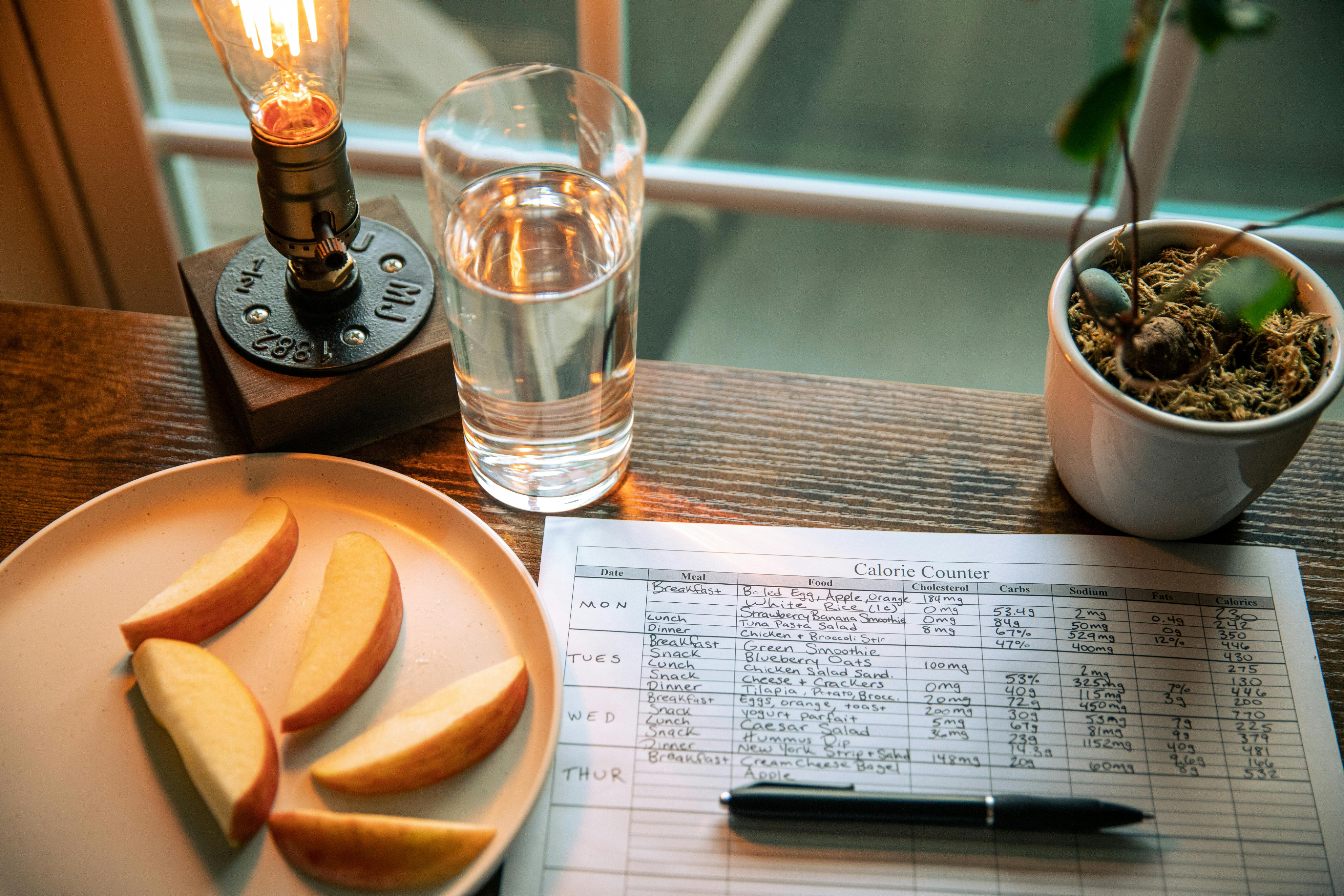
Calories Are Information, Not a Moral Score
Calories matter because they describe energy. They do not describe character.
That sounds obvious, but it is easy to forget once food becomes trackable. A calorie number can help explain why progress feels stuck, why hunger is high, or why a "small" snack is more energy-dense than expected. It can also become stressful if it is treated as a daily judgement.
The healthiest use of calorie awareness is pattern recognition. It helps you understand what is happening often enough to make better decisions.
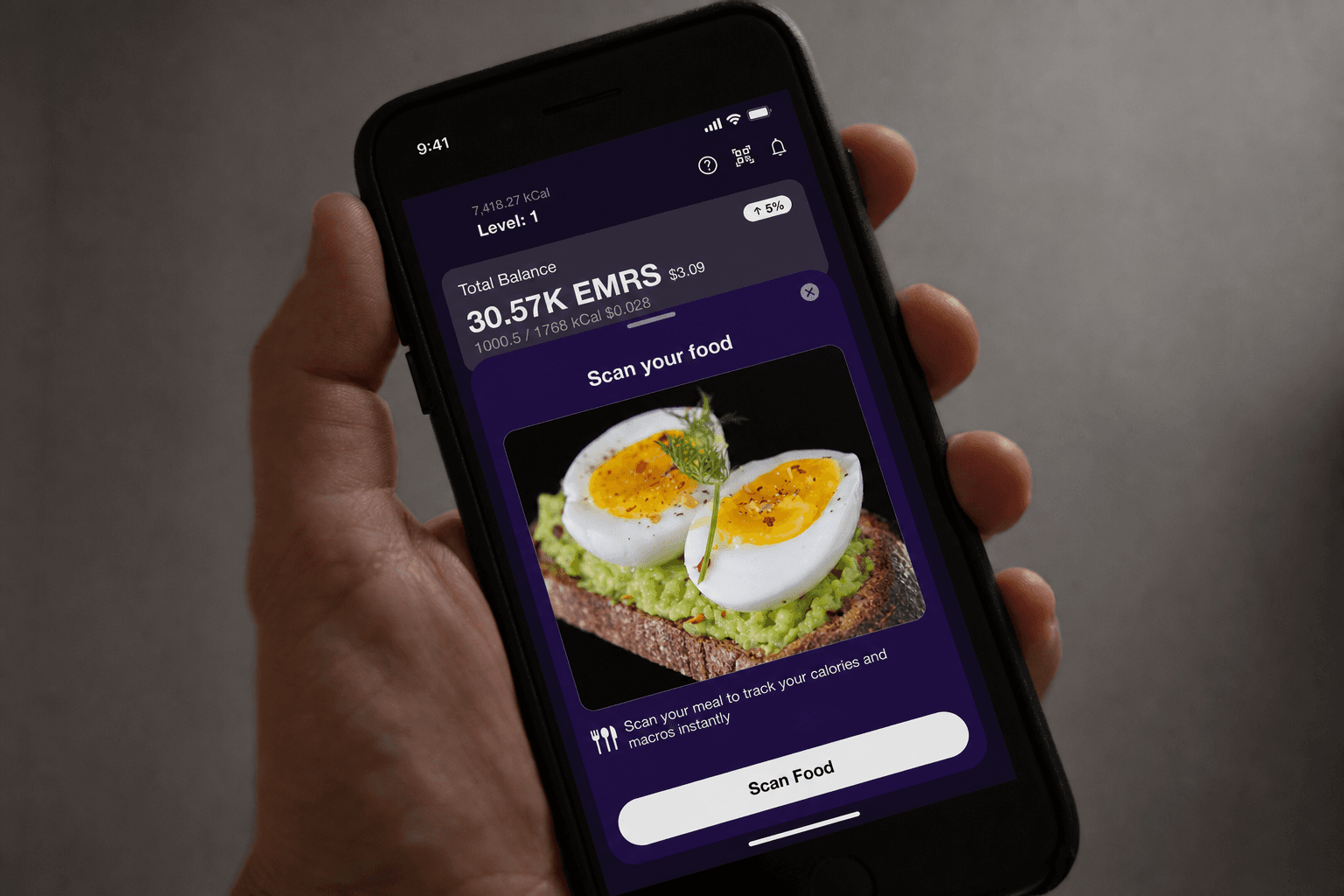
That is where scanning food can be useful. A food scanner reduces the friction of logging and helps make intake visible without turning every meal into a spreadsheet. It can show where calories are coming from, how snacks add up, and whether your eating pattern matches the effort you are putting into movement.
It should still be used with common sense. Portions vary. Recipes vary. Estimates are estimates. If tracking food starts to create anxiety, guilt, or obsessive behaviour, it is a sign to step back and use a lighter approach or speak with a qualified professional.
How to Use Eating Schedules Without Becoming Rigid
The best eating schedule is not the most disciplined one. It is the one you can repeat without feeling like your life has been taken over by food decisions.
Start with pressure points:
- When do you usually get very hungry?
- When do you snack without thinking?
- When do you train or walk?
- When does eating late make rest worse?
- Which meal is most often rushed or skipped?
Then design around those points.
If afternoon snacking is the problem, lunch may need more structure. If late-night eating is the problem, dinner may need to be more satisfying or the evening routine may need a cleaner boundary. If training feels flat, the issue may be timing, hydration, or simply arriving under-fuelled.
A good routine removes repeated decisions before they become repeated negotiations.
A Simple Day Structure That Actually Helps
This is not a diet plan. It is a way to think about rhythm.
Morning food should help you start the day without immediate energy swings, if breakfast fits your life. Midday food should be strong enough to carry the afternoon. Snacks should have a job, not just fill a gap out of habit. Evening food should support recovery and rest instead of becoming a second unplanned dinner.
A useful eating structure gives each meal or snack a job instead of leaving the day to chance. The exact meals can change. The structure is the useful part.
When people say they want to stop snacking, they often really mean they want fewer chaotic food moments. A better routine gives those moments less room to take over.
Where Emorya Fits
Emorya already connects movement, progress, and rewards. With AI food scanning and calorie management, the app can also help users understand the inside part of that loop.
The point is not to tell people exactly what to eat. The point is to make daily patterns easier to see. Movement, calories, habits, and rewards become easier to connect when they live in the same experience.
That matters because consistency is rarely built from one heroic decision. It is built from feedback that helps you adjust while the routine is still happening.
Sources and Further Reading
- CDC: Healthy eating for a healthy weight
- Harvard T.H. Chan School of Public Health: The Healthy Eating Plate
- American Heart Association: Smart snacks
- NIDDK: Changing your habits for better health
Common questions
Frequently asked questions
Short, answer-first responses pulled from the original Emorya article source for readers and search systems.
01Is calorie tracking necessary to eat well?
No. You can eat well without tracking calories. Calorie tracking is useful when it helps you understand patterns, portions, and energy intake. It becomes less useful if it creates guilt, anxiety, or obsessive behaviour.
02What should I eat to avoid snacking all day?
There is no single perfect food, but meals that include protein, fibre-rich carbohydrates, fruit or vegetables, and some healthy fat usually help more than quick snacks alone. The goal is to stay satisfied enough that snacking becomes a choice rather than a constant reaction.
03Is eating late at night bad?
Not automatically. Timing depends on your routine, training, work schedule, and sleep. Late eating becomes a problem when it regularly disrupts rest, turns into unplanned grazing, or pushes your total intake far beyond what supports your goals.
04Should I skip meals to reduce calories?
Skipping meals can reduce calories for some people, but it can also make hunger and later snacking harder to manage. A steadier routine is often easier to repeat than a strict pattern that leaves you overly hungry.
05How can a food scanner help without making eating stressful?
A food scanner can reduce the effort of logging and make patterns easier to see. It should be used as feedback, not judgement. If tracking starts to feel stressful, use it less rigidly or focus on broader meal patterns instead.
06Does Emorya tell me exactly what to eat?
No. Emorya is not a medical or diet-prescription tool. The food scanner and calorie management features are designed to support awareness, consistency, and better routine decisions, while personal nutrition choices remain individual.
Conclusion
The best eating routine is not the one that looks strict from the outside. It is the one that helps the rest of your life work better.
Food can support movement, energy, rest, and consistency when it is visible enough to understand and flexible enough to repeat. That is the practical question behind the title: is what you are putting inside helping the outside you are trying to build?
If you want to keep building the wider routine, start with how to build a walking habit that actually sticks or look at how gamification helps people stay consistent.
Learn how Emorya makes everyday movement more rewarding, without turning it into another noisy fitness app.